World•NPR News
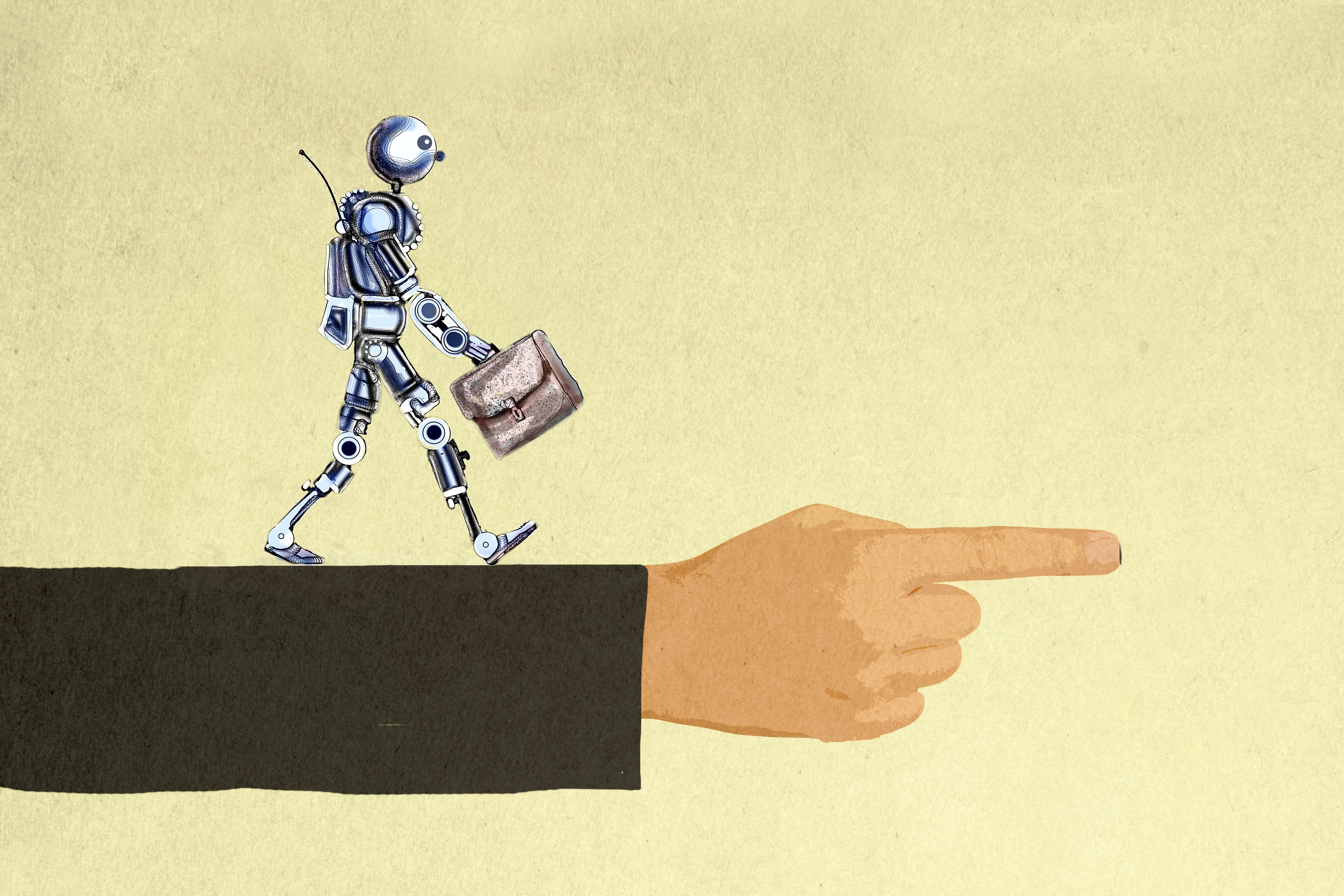
Many recent grads say AI is making it harder to get a job. Economists aren't so sure
•1 min read
ByteBulletin Executive Takeaways
AI-DISTILLED30-Second Smart Briefing & Audio Digest
⚖️ Balanced Analysis
Listen
“Recent college graduates like Irene Chang and Jacqueline Kline report applying to hundreds of entry‑level positions with little success, attributing part of the difficulty to AI tools that can perform many of the tasks they were trained for. The New York Federal Reserve notes that the unemployment rate for 22‑to‑27‑year‑olds with a fresh bachelor's degree or higher sits at 5.7%, above the overall 4.1% rate, while a ZipRecruiter survey finds 47% of recent grads believe AI has already affected hiring in their fields. Economists caution that the relationship between AI adoption and job scarcity is nuanced, pointing to broader macro‑economic trends, sector‑specific demand, and the speed of skill adaptation as key factors. Expert Analysis: While AI may be reshaping entry‑level job requirements, the primary driver of higher graduate unemployment appears to be a lag in demand for newly created roles versus the rapid output of graduates. Policymakers and universities that align curricula with emerging AI‑augmented skill sets could mitigate this mismatch and help sustain the U.S. labor market’s resilience.”
The unemployment rate for young adults with new degrees is higher than the rate for all workers, according to the New York Fed. Is AI the problem, or is it more complicated?
Want to read more from the original publisher?
Originally reported by NPR News
Recommended AI ToolSPECIAL PARTNER OFFER
Accelerate your AI Workflows with Jasper AI
Create enterprise-grade marketing content, code summaries, and strategy reports 5x faster.
What's your reaction?
Be the first to react to this story!
Discussion (0)
Join the Discussion
Please sign in to leave a comment and share your opinion.
No comments yet. Be the first to start the conversation!
Related Articles
Trending Stories
Most read & bookmarked this week
Top 5
Loading trending stories...